

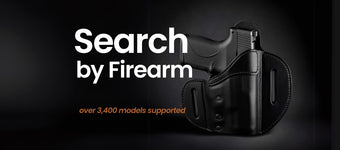
Carry Setup for New Permit Holders
That first week after getting your permit is usually a mix of pride, caution, and one very practical question: what exactly should you carry, and how should you carry it? A smart carry setup for new permit holders is not about buying the most gear the fastest. It is about building a system you can wear safely, comfortably, and consistently in real life.
That matters more than most people expect. Plenty of new carriers choose a handgun first, then treat the holster, belt, clothing, and training as afterthoughts. That usually leads to printing, discomfort, constant adjustment, and a setup that gets left at home. If your carry system is annoying by lunch, it is not a great everyday system.
What a good carry setup for new permit holders really does
A strong setup has four jobs. It should keep the firearm secure, keep it concealed, allow a clean and repeatable draw, and stay comfortable enough for daily wear. Miss one of those, and the whole system starts to wobble.
The tricky part is that these goals sometimes compete. Deep concealment can slow access. Maximum retention can make the draw feel less natural. A tiny pistol may hide easily but can be harder to shoot well. There is no perfect answer for everyone, which is why new permit holders are better served by thinking in terms of balance rather than chasing some mythical one-size-fits-all solution.
Start with the holster, not just the handgun
If you are carrying concealed, the holster is not an accessory. It is part of the safety system. A quality holster should fully cover the trigger guard, hold the firearm securely, and keep the gun positioned the same way every time.
This is where a lot of beginner frustration begins. Cheap universal holsters often shift, collapse, print badly, or make reholstering sloppy. A model-specific holster is usually the better move because it is designed around your firearm’s shape and retention points. That means more confidence, better consistency, and fewer mid-day wardrobe negotiations with your shirt.
For most new carriers, inside-the-waistband carry is the most practical place to start because it offers a strong mix of concealment and access. Appendix carry works well for many people, especially if they want faster access and a cleaner draw stroke from the front of the body. Strong-side IWB can feel more familiar and forgiving for those who sit a lot or prefer a slightly more traditional position. The right answer depends on body type, clothing, comfort, and how much training time you are willing to invest.
Some people do better with hybrid designs that soften contact against the body. Others prefer Boltaron or Kydex-style holsters for a crisp draw and adjustable retention. Leather remains a favorite for many carriers because it can be comfortable and classic when it is built well. The material matters, but fit and function matter more.
Your belt is doing more work than you think
A flimsy department store belt is one of the fastest ways to make a good holster feel bad. The belt supports the weight of the firearm, stabilizes the holster, and helps keep the draw consistent. Without that support, the gun can tilt outward, sag, or move when you sit, stand, or walk.
New permit holders sometimes assume discomfort means they picked the wrong holster, when the real problem is that the belt is folding under the load. A purpose-built carry belt provides structure without needing to feel like a piece of farm equipment wrapped around your waist. You want enough rigidity to support the setup, but not so much that wearing it all day feels like a punishment for being prepared.
If you plan to carry regularly, a dedicated belt is not a luxury purchase. It is a core part of the system.
Dress around the setup, not against it
You do not need an entirely new wardrobe to carry concealed, but you may need to make a few smarter choices. Clothing affects concealment more than many first-time carriers realize.
A slightly looser shirt, a thicker fabric, or a patterned top can do wonders for reducing printing. Pants may need a little extra room in the waist if you are carrying inside the waistband. For some people, especially those carrying a larger handgun, going up one pant size makes a noticeable difference in comfort.
Season matters too. Cooler months make concealment easier because jackets and heavier layers do some of the work for you. Summer is where weak setups get exposed. Thin shirts, lighter fabrics, and more movement can make printing harder to manage. That does not mean you need a tiny gun only for hot weather, but it does mean honesty helps. If your setup only works in a hoodie, it may not be your true everyday setup.
Keep the rest of the gear simple
A carry setup for new permit holders does not need to look like a gear catalog exploded in your closet. Start with the essentials: firearm, quality holster, supportive belt, and a realistic way to carry a spare magazine if you choose to.
A spare magazine can make sense for both capacity and reliability reasons, but not every new carrier will wear one daily right away. The key is not to overload yourself in the beginning. If extra gear makes you fidget, print, or abandon carry altogether, simplify first and build from there.
The same goes for mounted lights, optics, and other add-ons. These can absolutely be useful, but they also affect holster selection, concealment, and comfort. If your pistol includes them, make sure your holster is built specifically for that configuration. If you are still learning the basics of daily concealed carry, there is nothing wrong with keeping your setup straightforward while your habits catch up.
Comfort is not optional
There is a temptation among new carriers to treat discomfort like a rite of passage. It is not. If your setup digs into you, shifts constantly, or makes ordinary movement miserable, you will start finding reasons not to wear it.
Real comfort comes from fit, placement, and quality materials working together. Sometimes moving the holster half an inch changes everything. Sometimes a different ride height or cant makes the draw cleaner and the gun disappear better under a shirt. Sometimes the handgun itself is simply too large for your body type or wardrobe. None of that is failure. It is normal adjustment.
This is one reason many people appreciate a brand like Urban Carry. The focus is not just on holding the gun. It is on creating carry systems that people can actually live with through workdays, errands, driving, and all the ordinary moments that make up real concealed carry.
Practice the setup you actually wear
Owning the gear is only step one. Once you choose a setup, you need reps with that exact setup. Draw stroke, concealment garment management, safe reholstering, and general movement all feel different when the gun is on your body.
Dry practice at home, done safely and with an unloaded firearm in a proper environment, is one of the best ways to build confidence. Work on clearing the cover garment, establishing a solid grip, and presenting the firearm smoothly. If you can train with a qualified instructor, even better. New permit holders benefit enormously from having a knowledgeable set of eyes catch issues early.
Consistency matters here. If you constantly change holsters, positions, and clothing without enough practice time, your draw becomes less predictable. Experimenting is fine. Randomness is not.
The best setup is the one you will carry responsibly
There is no prize for carrying the biggest pistol, the smallest pistol, the deepest-concealed pistol, or the most accessorized pistol. The best setup is the one that fits your life and supports responsible habits.
For some new permit holders, that means a compact handgun in a strong-side IWB holster with a sturdy belt and an untucked button-down shirt. For others, it means appendix carry with a slimmer handgun and a holster designed for better concealment and retention. If you work in professional clothing, your answer may look different from someone in jeans and a T-shirt. If you spend most of your day driving, your comfort and access needs may differ from someone on their feet all day.
That is why it helps to think of your first setup as your starting point, not your forever answer. Your preferences may change as your experience grows. What should not change is the standard: safe, secure, comfortable, and practical enough to carry consistently.
The goal is not to become a gear expert overnight. It is to build a carry system that gives you quiet confidence when you leave the house - no constant tugging, no second-guessing, no drama. Just responsible everyday carry that fits your life well enough that it becomes part of it.


